 HW Legal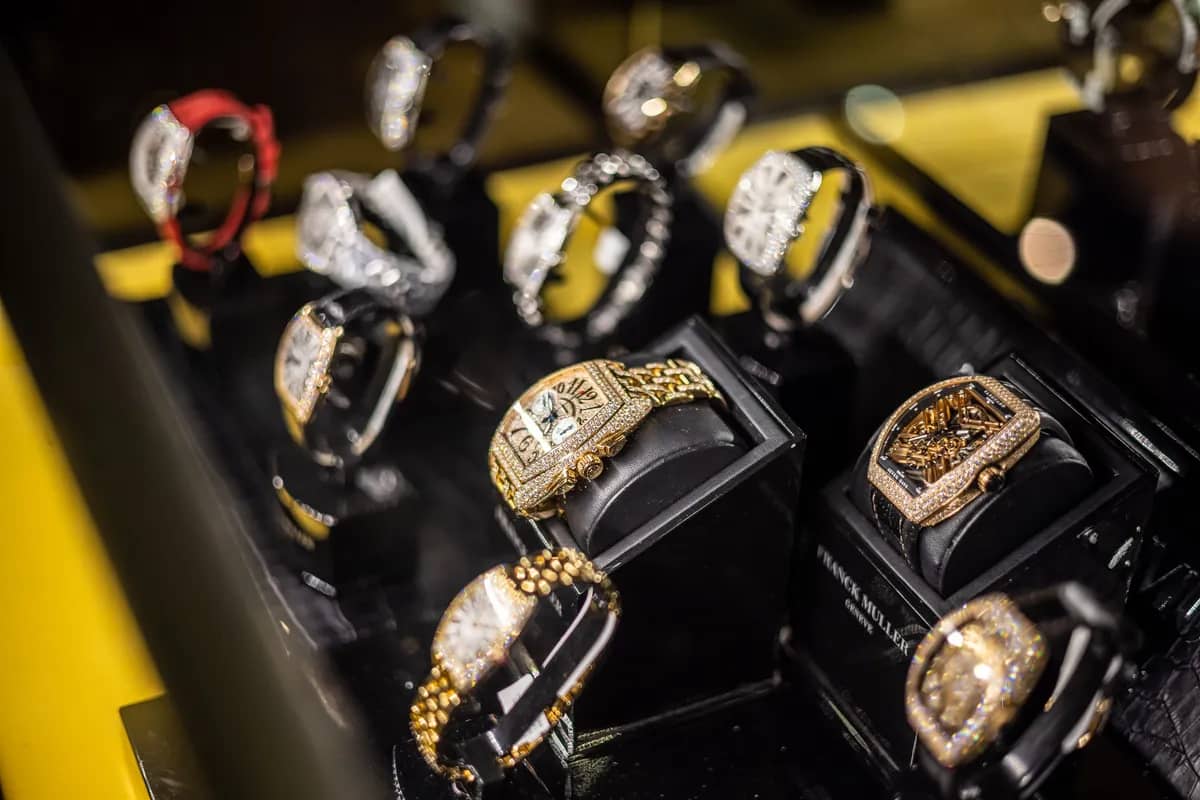
What it means for the buyer
Buying something does not turn you into an obliged entity. In covered transactions, though, the seller has its own statutory duties to discharge, and those will reach you.
Usually this means an identity document. If the purchase runs through a company, the seller also establishes who its beneficial owners are. There is a separate check on whether the buyer or the beneficial owner is a politically exposed person, meaning someone holding a prominent public function — a category that also covers their family members and people known to have close business or ownership ties to them. Here the process tightens: senior management approves the transaction and the source of funds and wealth is established.
Beyond that, the depth of the check follows the risk. Further questions arise where the buyer sits behind a complex ownership structure, acts through a representative, has links to a high-risk jurisdiction, or cannot explain plausibly where the money comes from. This does not mean every prospective watch buyer will be documenting the origin of their entire fortune. It does mean that without the necessary cooperation the seller is not permitted to close the deal.
Cash is affected too. A single EU-wide ceiling of EUR 10,000 will apply, and splitting a purchase into several clearly linked payments does not get around it. The current Czech limit of CZK 270,000 will therefore drop slightly. For cash payments, identification kicks in from EUR 3,000.
Which sellers are caught
What matters is not how expensive the goods are, but whether they appear on the list annexed to the regulation. It names jewellery and articles of gold or silver above EUR 10,000, clocks and watches above the same threshold, motor vehicles above EUR 250,000, and aircraft and watercraft above EUR 7,500,000. Alongside these, the rules cover trade in precious metals, precious stones and cultural goods.
A retailer of handbags or clothing is therefore not an obliged entity, even selling exclusively at the top of the price range. A watch or jewellery dealer is, provided this is their regular or principal business. With online marketplaces, the answer depends on the operator's actual role: merely hosting third-party listings does not make a platform a trader in high-value goods.
What sellers need to put in place
Traders within scope need a set of internal AML policies and the supporting paperwork: rules for identifying and verifying customers, a risk assessment of transactions, a designated responsible person, staff training on the shop floor, records of the checks performed, and retention of the underlying documents. On top of that comes the duty to report to the Financial Analytical Office where a transaction shows signs of money laundering.
For part of their business, sellers thus take on a role that ordinary retail practice does not cover. They need to be able to judge when something about a purchase does not add up, and to document what they did well enough to withstand an inspection.
Anyone already dealing in precious metals or stones starts from familiar ground. For the rest it is a new regime, with just under two years left to prepare.